How to Reduce Downtime by Keeping the Right Spare Parts in Stock
Unexpected equipment downtime is one of the most costly challenges in manufacturing and industrial operations. While machine failures cannot always be prevented, keeping the right spare parts readily available can significantly reduce repair times, improve equipment reliability, and keep production running smoothly. This guide explains how an effective spare parts inventory strategy helps maintenance teams respond faster, minimize production losses, and support long-term operational efficiency.
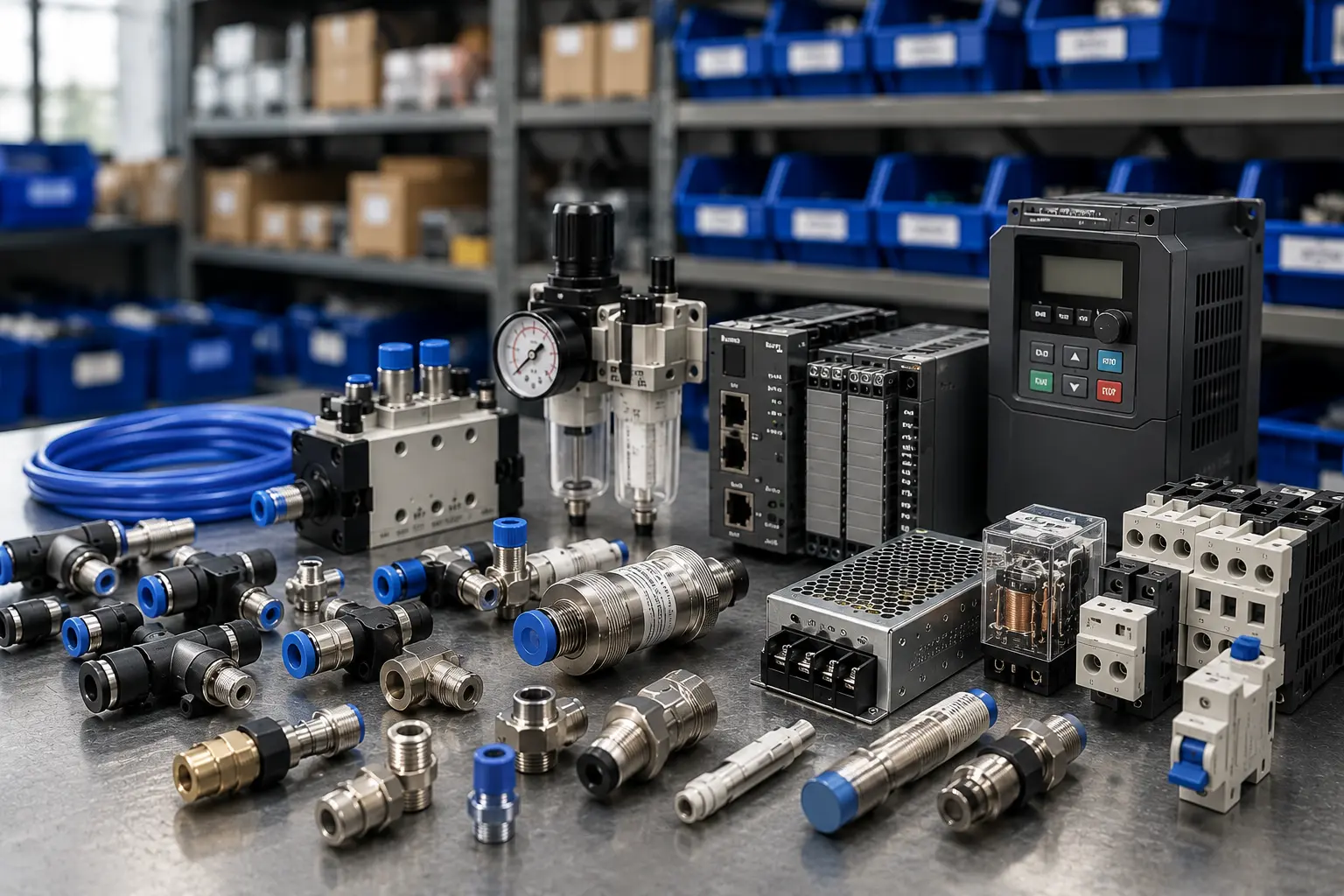
An organized spare parts inventory helps maintenance teams respond quickly to equipment failures, reduce production downtime, avoid emergency purchases, and improve overall equipment reliability. This guide covers how to identify critical spare parts, optimize inventory levels, and implement practical maintenance strategies that keep industrial operations running efficiently.
Why Machine Downtime Matters
Whether operating a packaging line, manufacturing facility, or automated production system, every minute of unexpected downtime directly impacts productivity and profitability. Production schedules become disrupted, customer deliveries may be delayed, maintenance costs increase, and valuable labor hours are lost while technicians wait for replacement components.
Many equipment failures are relatively simple to repair. However, when a critical replacement part is unavailable, even a minor fault can stop an entire production line for hours or even days. In many cases, waiting for expedited shipping costs far more than maintaining a carefully planned inventory of essential spare parts.
By identifying critical components before failures occur, maintenance teams can significantly reduce repair times and improve overall equipment availability.
For many industrial facilities, the largest cost of equipment failure is not the replacement part itself—it's the lost production, delayed deliveries, overtime labor, and emergency logistics required to restore operations.
Common Causes of Unplanned Downtime
Understanding why equipment fails is the first step toward building an effective spare parts inventory. While every manufacturing process is different, several components experience predictable wear and are responsible for many unexpected shutdowns.
| Cause | Potential Impact |
|---|---|
| Sensor Failure | Incorrect machine feedback, production interruptions, and process errors. |
| Pneumatic Leaks | Pressure loss, slower machine cycles, and increased energy consumption. |
| Valve Malfunctions | Interrupted airflow, actuator failure, and machine stoppages. |
| PLC or I/O Module Failure | Loss of machine control, communication errors, and production downtime. |
| Drive or Motor Faults | Unexpected equipment shutdown and reduced production capacity. |
| Power Supply Issues | Electrical interruptions affecting multiple automation components. |
| Unavailable Replacement Parts | Extended repair times while waiting for sourcing and delivery. |
Why Keeping Spare Parts in Stock Makes a Difference
An effective spare parts inventory is more than simply storing extra components. It is a strategic approach that allows maintenance teams to respond immediately when failures occur, minimizing repair delays and reducing operational risk.
Rather than relying on emergency procurement, organizations with well-managed inventories can replace failed components quickly, maintain production schedules, and reduce overall maintenance costs.
The goal is not to stock every available component, but to identify the parts that have the greatest impact on equipment reliability and operational continuity.
Key Advantages of Proper Spare Parts Inventory
- Faster equipment repairs and reduced Mean Time to Repair (MTTR).
- Less dependence on expensive emergency shipping.
- Improved production uptime and equipment availability.
- Lower maintenance and operating costs.
- Better planning for preventive maintenance activities.
- Greater confidence during unexpected equipment failures.
Which Spare Parts Should Always Be Stocked?
Not every component requires the same inventory priority. The ideal spare parts inventory focuses on items that are critical to production, have long procurement lead times, or experience frequent wear. Prioritizing these components helps maintenance teams restore equipment quickly while avoiding unnecessary inventory costs.
Although inventory requirements vary between industries and machine types, the following categories are commonly considered essential for industrial automation and packaging machinery.
| Component Category | Examples | Why Keep in Stock |
|---|---|---|
| Sensors | Inductive sensors, photoelectric sensors, proximity switches | Critical for machine positioning and process monitoring. |
| Pneumatic Components | Push-in fittings, tubing, air regulators, solenoid valves | Frequently replaced due to wear and air leakage. |
| PLC Components | CPU modules, digital I/O modules, communication cards | Essential for machine control and automation. |
| Electrical Components | MCBs, relays, contactors, power supplies | Protect electrical systems and support reliable operation. |
| Motion Control | Variable Frequency Drives (VFDs), servo drives | Long lead times and major impact on production. |
| Industrial Networking | Ethernet switches, communication gateways | Support machine-to-machine communication and plant connectivity. |
Maintain spare parts based on operational criticality rather than purchase price. A relatively inexpensive sensor or pneumatic valve can halt an entire production line if a replacement is unavailable.
How to Identify Critical Spare Parts
Every spare part does not require the same stocking level. Maintenance teams should evaluate each component based on its impact on production, replacement lead time, failure frequency, and overall replacement cost. Components that score highly in these areas deserve higher inventory priority.
| Evaluation Factor | Inventory Priority |
|---|---|
| Machine stops immediately if part fails | High |
| Supplier lead time exceeds several weeks | High |
| Frequently replaced during maintenance | High |
| Low production impact if unavailable | Medium |
| Rarely used and easily sourced locally | Low |
Best Practices for Spare Parts Inventory Management
Effective inventory management balances equipment reliability with inventory costs. Rather than accumulating excessive stock, organizations should implement structured processes that maintain availability while minimizing waste.
- Analyze historical maintenance records to identify frequently replaced components.
- Define minimum and maximum stock levels for critical spare parts.
- Use ABC inventory classification to prioritize high-value and high-impact items.
- Apply FIFO (First In, First Out) for components with shelf-life limitations.
- Label inventory clearly using part numbers, descriptions, and storage locations.
- Perform regular inventory audits to verify stock accuracy.
- Standardize components across similar machines whenever possible.
- Purchase genuine OEM-quality replacement parts from trusted suppliers to ensure compatibility and long-term reliability.
Review your spare parts inventory at least quarterly. Equipment upgrades, discontinued components, and changing production requirements can quickly make inventory lists outdated.
Common Spare Parts Inventory Mistakes to Avoid
Even well-maintained facilities can experience unnecessary downtime due to poor inventory practices. Avoiding these common mistakes helps improve equipment reliability, reduce maintenance costs, and ensure critical replacement parts are available when needed.
| Common Mistake | Potential Consequence |
|---|---|
| Waiting until a failure occurs | Extended downtime while sourcing replacement parts. |
| Overstocking low-priority items | Higher inventory costs and wasted storage space. |
| Ignoring manufacturer recommendations | Reduced equipment reliability and compatibility issues. |
| Poor inventory records | Technicians waste valuable time locating components. |
| Using incompatible replacement parts | Unexpected failures, reduced performance, and repeat repairs. |
Keep detailed records of every component replacement, including failure date, operating hours, and root cause. Over time, this data helps predict future failures and optimize inventory levels.
Benefits of Maintaining the Right Spare Parts Inventory
A well-managed spare parts inventory delivers value far beyond faster repairs. It improves operational efficiency, supports preventive maintenance, and helps manufacturers maintain consistent production performance.
- Reduced unplanned production downtime.
- Faster equipment repairs and lower Mean Time to Repair (MTTR).
- Improved Overall Equipment Effectiveness (OEE).
- Lower emergency procurement and shipping costs.
- Better preventive maintenance planning.
- Longer service life for industrial equipment.
- Higher productivity for maintenance teams.
- Greater confidence during unexpected machine failures.
Building an Effective Spare Parts Strategy
Developing an effective inventory strategy does not require a large warehouse or excessive stock. Instead, focus on maintaining the components that have the greatest impact on equipment availability.
| Step | Recommended Action |
|---|---|
| 1 | Identify your most critical production equipment. |
| 2 | List components with the highest failure rates. |
| 3 | Review supplier lead times for critical parts. |
| 4 | Set minimum and maximum stock quantities. |
| 5 | Review inventory regularly and remove obsolete items. |
Frequently Asked Questions
What are critical spare parts?
Critical spare parts are components whose failure can stop production or significantly affect machine performance. These items should receive the highest inventory priority.
How often should spare parts inventory be reviewed?
Most facilities benefit from reviewing inventory every three to six months, or whenever major equipment changes occur.
Should I stock OEM replacement parts?
Using OEM-quality replacement parts helps maintain compatibility, reliability, and equipment performance while reducing the risk of premature failures.
How can spare parts inventory reduce maintenance costs?
By reducing emergency purchases, minimizing production downtime, and enabling faster repairs, a well-managed inventory lowers the overall cost of equipment maintenance.
Conclusion
Keeping the right spare parts in stock is one of the most effective ways to improve equipment reliability and reduce costly production downtime. By identifying critical components, maintaining appropriate inventory levels, and following preventive maintenance best practices, manufacturers can respond more quickly to unexpected failures while improving long-term operational efficiency. A proactive inventory strategy not only reduces maintenance costs but also supports safer, more reliable, and more productive industrial operations.
Need Reliable Industrial Spare Parts?
Crimson Parts supplies OEM-quality industrial automation components, including sensors, PLC modules, pneumatic fittings, valves, pressure regulators, VFDs, Ethernet switches, and other replacement parts for industrial and packaging machinery. Our team is committed to helping manufacturers minimize downtime with dependable products and responsive technical support.
Contact Our Technical Team